
How to Start Arbitration Proceedings in India

Businesses often include arbitration clauses in contracts to resolve disputes without going through a conventional court trial. When a payment dispute, breach of contract or disagreement over commercial obligations arises, knowing how to start arbitration proceedings can help parties protect their rights and move towards a binding resolution. In India, arbitration is primarily governed by […]
What to Do When an Arbitration Clause Is Invoked

When an Arbitration Clause Invoked notice arrives, it signals a formal step towards resolving a dispute outside the ordinary court process. For businesses in India, the notice may concern unpaid invoices, contractual breaches, delayed projects, shareholder disagreements or disputes over commercial obligations. Your response can affect the choice of arbitrator, procedural rights, costs and the […]
What Happens When a Developer Fails to Hand Over a Property on Time?

Delayed property possession can create serious financial and legal problems for a homebuyer. The buyer may continue paying loan instalments while also paying rent, even though the promised home is not ready. Under the Real Estate (Regulation and Development) Act, 2016, commonly known as RERA, a promoter who fails to give possession according to the […]
How Do Property Taxes and Municipal Dues Affect a Property Transaction?

Property tax and municipal dues can directly affect a property transaction. Outstanding property tax, water charges, sewerage charges, development charges, fire related levies, penalties and other municipal liabilities can delay registration, affect mutation and create disputes between the buyer and seller. The legal position is not identical across India. Some municipal laws require a no […]
What Legal Issues Can Arise When Converting Residential Property for Commercial Use?

Residential to commercial property conversion can create several legal issues if the owner starts business activity without checking the property’s permitted land use, sanctioned building plan and local municipal rules. A residential property cannot automatically become commercial merely because the owner intends to operate a business from it. The legality depends on the master plan, […]
Can a Property Owner Challenge Unauthorised Changes Made by a Tenant?

Yes. A property owner can challenge unauthorised changes by tenant, particularly where the tenant has made structural alterations, damaged the premises, changed its character or breached an express term of the lease. The legal remedy depends on the nature of the alteration, the wording of the tenancy agreement and the rent law applicable in the […]
What Legal Checks Should Businesses Make Before Entering a Property Development Partnership?

A property development partnership can combine land, capital, construction expertise and commercial resources to develop residential, commercial or mixed use property. It can also create substantial legal exposure if the parties enter the arrangement without checking title, development rights, approvals, funding, liabilities and exit rights. Before signing a joint development agreement or similar arrangement, a […]
How to Get Urgent Relief Before an Arbitration
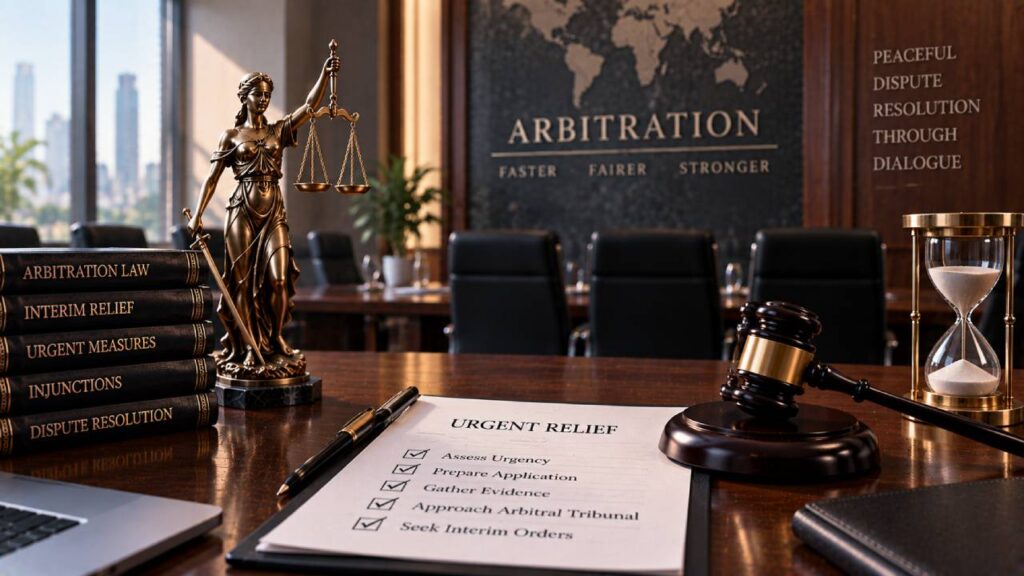
An arbitration can take months to reach a final award. In the meantime, assets may be transferred, confidential information may be disclosed, a bank guarantee may be invoked, goods may deteriorate or a contractual relationship may be irreversibly altered. In such situations, interim relief arbitration mechanisms allow a party to seek immediate protection before the […]
How Can an MSME Avoid Insolvency Proceedings?

Financial stress does not always mean an MSME must enter insolvency proceedings. Early action can create opportunities to restructure debt, improve cash flow, recover outstanding receivables and negotiate with lenders before a formal insolvency application is admitted. MSME insolvency becomes a serious risk when financial distress is allowed to continue without a credible recovery plan. […]
How to Conduct Legal Due Diligence for an Acquisition

Buying a company involves more than agreeing on a price and signing transaction documents. The buyer needs to establish what is being acquired, who owns it, which liabilities may follow the transaction and whether the proposed deal can legally be completed. Legal due diligence provides the framework for answering these questions before the acquisition becomes […]